
IT support with metrics, not promises.
S4 provides IT support and maintenance for users and infrastructure: help desk, remote and on-site support, and preventive maintenance of equipment, networks, firewall and equipment rooms, with response times and metrics agreed in writing, to resolve and, above all, prevent.
Request an assessmentContent reviewed in November 2026
- C1Channel
- C2Service
- C3Infrastructure
- C4Management
Who it is for
4 layers, from channel to management. Choose a profile to see which part of the system concerns you.
General manager of a small or mid-sized company
A full IT department without having to build one.
IT director with a small team
Delegating first level and maintenance to focus on projects.
Administrative manager
A single point of accountability and a report showing what was done.
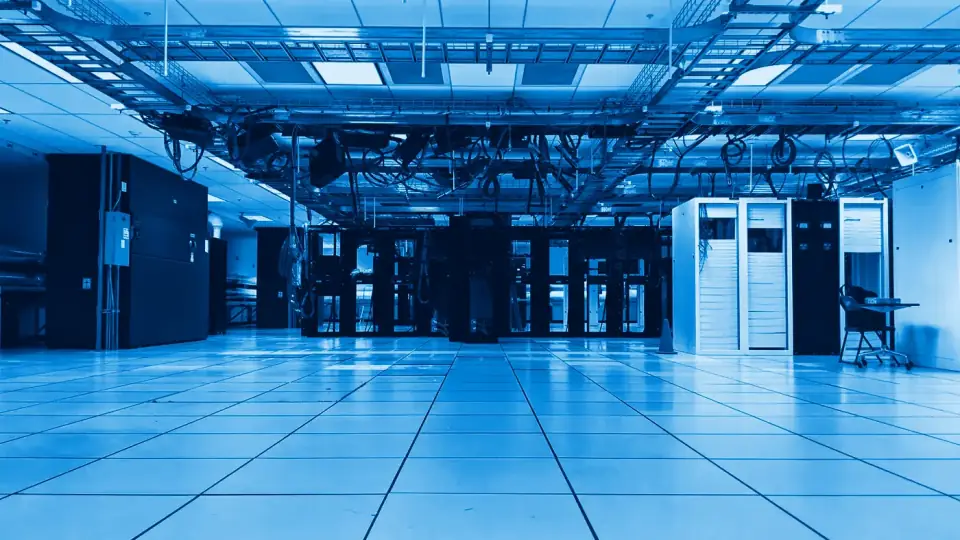
Firefighting every day.
Without an organized service, support depends on who is available: requests arrive by chat or in the hallway, nobody measures how long they take, and preventive maintenance is postponed until something fails.
You need it if you recognize any of these signs:
- Requests arrive through informal channels and get lost.
- There is no up-to-date inventory of equipment and licenses.
- The same faults repeat and nobody looks for the cause.
- Network and server firmware is out of date.
- Nobody knows how long an incident takes to resolve.
How the system is built.
We support infrastructure we did not install ourselves, after an initial survey. Help desk, remote access and monitoring tools are agreed with your IT team and respect your security policies.
Channel
- Help desk with case logging
- Email, phone or portal
Service
- Remote first level
- Specialized second level
- On-site service
Infrastructure
- Firewall, switching and wireless networks
- Servers and equipment rooms
- End-user equipment
Management
- Asset inventory
- Scheduled preventive maintenance
- Metrics and reports
What is included and what is not.
Included in the service
- Initial survey and asset inventory
- Help desk with case logging and tracking
- Remote and on-site support during the agreed hours, including 24/7 first-level service if your operation requires it
- Preventive maintenance of equipment, network, firewall and equipment room
- Update and patch management
- Service metrics and periodic reports
Out of scope
- Software development or functional support of business applications
- Replacement of equipment and licenses, quoted separately
- Damage from external causes not covered in the agreement
Anything out of scope is coordinated with the right party or quoted separately, and is always stated in writing before we start.
How we do it, step by step.
-
Assessment
Inventory of equipment, network, servers and licenses; review of how requests and recurring faults are handled today.
DeliverableInventory and status assessment
-
Design
Service catalog, service levels, response times and maintenance plan.
DeliverableWritten service level agreement
-
Integration
Launch of help desk, remote access and monitoring; correction of critical open issues.
DeliverableHelp desk operational
-
Commissioning
Stabilization, communication of the channel to users and catalog adjustment.
DeliverableHelp desk user guide
-
Operation and improvement
Case handling, preventive maintenance, analysis of repeated faults and continuous improvement.
DeliverablePeriodic metrics report
Reference regulations and standards.
These are the usual references for this type of system. The technical report of each project identifies which ones apply, depending on the use, size and location of the installation.
Regulatory reference, indicative
- ITIL 4
- Good practices for IT service management: incidents, requests and changes.
- ISO/IEC 20000-1
- IT service management standard; reference for structuring the service.
- Law 1581 of 2012 and Decree 1377 of 2013 (Colombian data protection)
- Access to equipment holding personal data is governed by confidentiality and data processing agreements.
What stays in your hands.
Asset inventory
Equipment, network, servers and licenses.
Service level agreement
Hours, response and resolution times.
Maintenance plan
What is checked and how often.
Metrics reports
Cases, times and repeated faults.
How we apply it in your sector.
What people ask us most.
What response times do you offer?
They are agreed in writing according to your operation in the service level agreement, with a priority for each case.
Do you support equipment you did not install?
Yes, after an initial survey of the state of the infrastructure.
Is support remote or on-site?
Both. Most cases are resolved remotely; those that require presence are handled on site according to the agreed coverage.
What metrics do you report?
Number of cases, response time, resolution time, repeated cases and status of preventive maintenance, in a periodic report.
Do you offer 24/7 service?
First-level 24/7 service can be agreed when the operation requires it; hours and times are set in the service level agreement.
Let's talk about your project.
Request an assessmentOr call us: +57 314 460 0683 · +34 848 88 04 04